Its the millennium of the linux desktop


Linux hobbyist, Machinist and tinkerer
Public Key 405B46E81DCCDB2B310DEF0DA5F0B998E8AC3752
- 11 Posts
- 42 Comments
Joined 3 years ago
Cake day: June 14th, 2023
You are not logged in. If you use a Fediverse account that is able to follow users, you can follow this user.
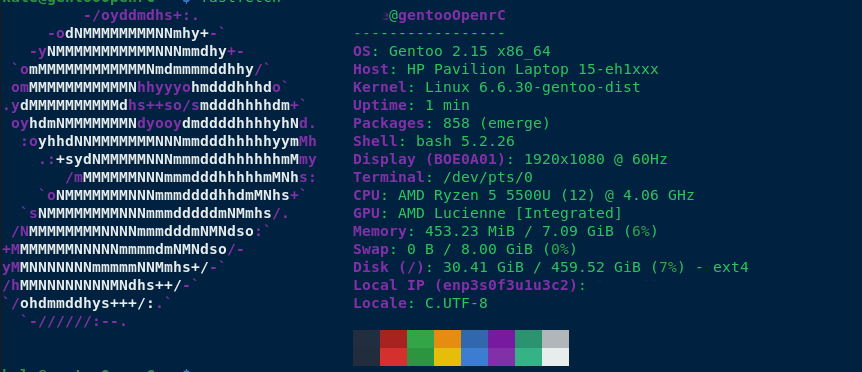
Gentoo is very much like an manual transmission. If you ask anybody that drives manual they will say 1 of 2 things “i like it because it gives me control” or “i use manual because i always have”
I love gentoo as playing around and trying stuff out. My personal recommendation is use ZFS or btrfs for a file system and have subvolumes. So if you get so lost in the rabbit hole you can climb back up.
If your philosophy is" stable and mine!" Gentoo is for you. You can build a distro, with all the packages you want and once your done if you decide to update every month and dont care a whole lot about bleeding edge. It will work really well, it you want bleeding edge, you can have portage use ustable packages with a stable system. But you really must know what your doing or you WILL BREAK STUFF.
I ran gentoo for 6 months then went to debian, its a great learning tool for understanding how linux works under the hood. I would also recommended systemd over openrc. Its not that openrc is bad, its just alot of extra work for simple things to work.
Gentoo to me is more a messing around on a spare computer distro, than a production computer. Not that it cant be production, but im personally very lazy when i just want to use my personal pc.

I kinda had the same though 4 years ago.
I ended up settling for a nixon Regulus. Its not really smart
But it has basic functions and NO SPYWARE Which is a big plus
At times i have felt that my distro was so not worth the flak.
But the thing that keeps me on it is i write it once and never half to dick with it again.
NixOS is really powerful, but the learning curve will push you to the edge!
I currently self host alot of stuff on my server which runs NixOS, theres some services that are as simple as ollama.service = true;
And others that you spend hours cussing at. But i feel the declarative nature is what makes switching to any other distro feel so unintuitive.
My linux journey had been,
Manjaro > ubuntu > arch > fedora > silverblue > opensuse tumbleweed > gentoo > nixos > opensuse tumbleweed > nixos.
I kept coming back to nix because i wrote what i wanted it to do and it did it that way every time. Its been a godsend for ZFS, although its not super bad to use ZFS on debian just mostly time consuming. The fact i dont half to worry about a update breaking DKMS and making my filesystem not work. I SWEAR SUN IF YOU COULD HAVE JUST DONE THE GPL INSTEAD OF CDL!!!
I have recently been exploring Guix, purely because of the NixOS drama. But i think nix is my main server OS
 20·6 months ago
GET THE SANDPAPER
Triqusel??? I think
But it still works!
Written on an hp compact from 1997 Running msdos
I wish :)
Sweet! Ive made a beta build of it in nix ive been using for the last 4 months and its VERY buggy.
dvdbackup with the -M option makes a 1/1 clone of your dvd aswell as decrypts the video. One of the best ways to backup old dvds. Takes alot of storage tho and is cli rather if thats a plus or minus for yah.
 1·1 year ago
goharddrive
yeah i remember looking at some that had 5 year warrenty but they quickly sold out, and i was itching to build a ZFS pool as i waited for months to finally pull the trigger
Amen brother!
i figured it out i had dns in the client wiregaurd config
GNU/MacOS/TimApple/Proprietary/Unix Which is all apart of the SystemD Operating system
Weres crowd strike windows shitting the bed when u need it
Grammer is for english class or grammer community’s. Who cares
Yeah is guide is pretty useful! i went with setting up wireguard instead of openvpn. For a while now ive been self hosting alot of my stuff, SearXNG with gluetun tunneling, minecraft server for me and the boys and a Samba Share instead of paying for some dopey cloud storage. Ive gotten ZFS running in a 1tb z1 pool for my containers and plan to add a 10tb Z2 pool for long term storage and backups. i chose to do it in NixOS instead of debian or ubuntu, just because im a little bit of a nut for immutability.
its actually kinda funny i just left a post asking for help setting up wiregaurd server on c/selfhosted and referenced louis’s guide! Also i gotta add thats EPIC you got 10gbps internet, i went with a glinet flint 2 for my router. Because it runs openwrt under the hood, i personally like openwrt alot. there are people that swear by pfsense or opensense because of the bsd network stack, is very well maintained and secure as alot of commercial products like switches and firewalls run pfsense under the hood. for security and vlans pfsense would probably be better from what i heard. But openwrt works pretty well aswell, and i ended up just going with the flint 2 because it has 2.5gb wan in and 1 2.5gb lan. which was more than enough more my measly 1-2gb internet.
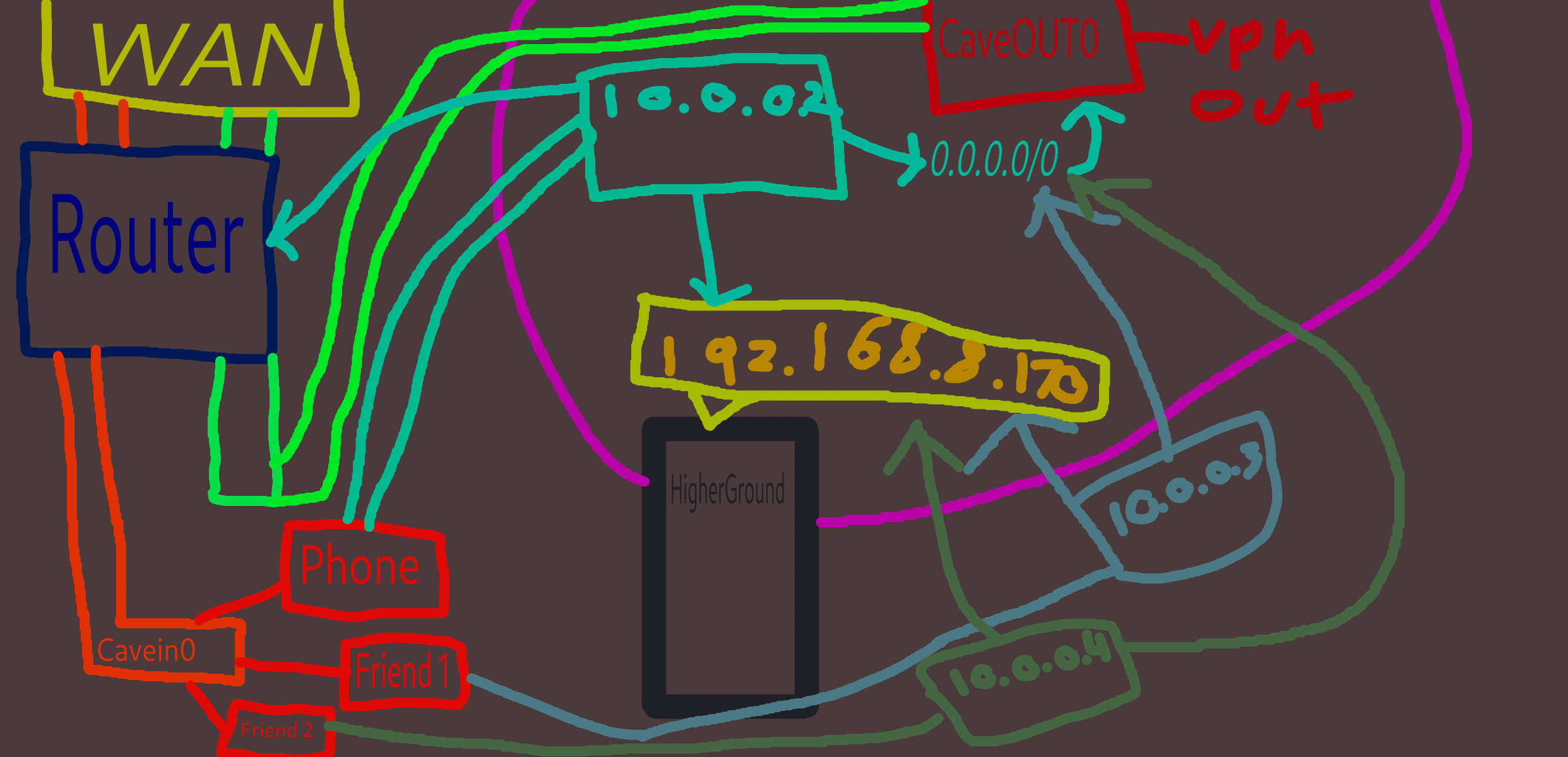
so for example, setting 192.168.8.170 on the clients as the only allowed IP aswell as the server would do what i need? thanks for helping trying to navigate my labyrinth of networking :P
For client example [Interface] Address = 10.0.0.3/24 ListenPort = 51820 PrivateKey = magic numbers
[Peer] PublicKey = magic numbers
PresharedKey = magic numbers
AllowedIPs = 192.168.8.170 Endpoint = magic numbers"
For server example
peers = [
{ #friend1 publicKey = “magic numbers and letters”; allowedIPs = [ “192.168.8.170/24” ]; endpoint = “magic numbers and letters”; presharedKey = “magic numbers and letters”; persistentKeepalive = 25; }
{ # My phone publicKey = “magic numbers and letters”; allowedIPs = [ “192.168.8.170/24” ]; endpoint = “magic numbers and letters”; presharedKey = “magic numbers and letters”; persistentKeepalive = 25; }
{# friend 2 publicKey = “magic numbers and letters”; allowedIPs = [ “192.168.8.170/24” ]; endpoint = “magic numbers and letters”; presharedKey = “magic numbers and letters”; persistentKeepalive = 25;
} {# friend 3 publicKey = “magic numbers and letters”; allowedIPs = [ “192.168.8.170/24” ]; endpoint = “magic numbers and letters”; presharedKey = “magic numbers and letters”; persistentKeepalive = 25; }
neat web app! the drawings kinda suck tho, but thats just a skill issue on my part :P
so if i understand this correctly, it runs a docker container to which runs the wireguard server and then you just specify hostname/ip adress for the services, then when sombody tunnels in they have acess to only the services specifide in config file? if so looks pretty useful!, i just question what happens to the rest of the traffic? is it locally routed in my network or client side? im not very familiar with proxys, i know what they are but have never really messed with one. Thanks for sharing




Based