lemmyreader
not much
- 24 Posts
- 15 Comments
During the Covid-19 pandemic I was very happy to use Conversations for video calls. Quality seemed better than with Signal during that time, and with Conversations you could resize the video window if you needed to do something on your phone during the call. I was not sure Signal could do that in these days. I also like Dino IM on the desktop but lately I don’t have any other people I know who can be bothered to use XMPP over Signal or email.
There’s a Dino fork https://dinox.handwerker.jetzt/ I’m not sure what to think about it, it looks too fancy and I dislike the Most secure part but it claims to do calls better than the original Dino IM.

 4·2 months ago
Another way to try to fix dependency problems, including complicated ones that apt cannot solve, is to use the magnificent aptitude deb helper. If you have aptitude not installed you can possibly still install it with dpkg. Download aptitude deb file and the aptitude-common deb file and save them to disk. For example for Debian : https://packages.debian.org/trixie/aptitude With dpkg it is in dependency problems situations still possible to install new software. Maybe dpkg --force-all or something like that is needed.
Make sure to make backups of your valuable things first via a Linux live session.
After you have aptitude installed, try e.g. :
sudo aptitude updateor
sudo aptitude install ncdu(or install some other small program you didn’t have installed already)It may already show a suggestion solution.
This is usually the recommended way to fix such dependency problems.
sudo apt-get -f install
Did you try CachyOS ? https://cachyos.org/ I’m impressed by how snappy it is on older computers.
Haven’t used this services but I keep seeing other people talking about it. From their FAQ : https://jmp.chat/faq
- Q4. How do I make a phone call with my JMP number?
The easiest way is to make a call from your Jabber app, if you are using a supporting app such as Cheogram Android, Conversations, Snikket, or Movim. Simply add a contact just as you would for messaging and then select the voice call option in your app.
- Q10. JMP currently only provides numbers in the USA and Canada. These numbers can make and receive both calls and messages with any country in the world.
https://jmp.chat/ could do this depending on where you live.
At the same time, Red Hat released the first version of Red Hat Enterprise Linux, Red Hat Enterprise Linux 2.1. The Army deployed Red Hat’s operating system in its Blue Force Tracker system, which lived in jeeps and tanks on the battlefield. Major General Nicholas Justice, the man responsible for Blue Force Tracker, said later:
“When we rolled into Baghdad, we did it using open source.”1
To this day, the U.S. Army remains one of Red Hat’s largest customers by volume. Red Hat was recently made part of the Army’s Common Operating Environment, which is their enterprise standard.
Apart from dd you can also go for Clonezilla or Rescuezilla. Both not super user friendly but once you get familiar with it makes backups and restore easy and fast for data and boot-loader.




https://forum.aux.computer/t/the-future-of-nixcpp-lix/483
The announcement resolves one of my last fears for Aux: development on Nix itself. It is no secret that the number of people knowledgeable about the project and are willing to work on this CPP codebase is small. You have probably seen me mention multiple times by now that @sig_cli needs all of the help that we can get. Lix resolves this entirely with a trusted team of experts. This means that Aux is now able to remove Nix development from our priorities and can instead collaborate with Lix moving forward.


🙂 I’ve seen several people, during some years now, recommended to wait for .1


2024, the most memorable year of Linux gaming so far :-)


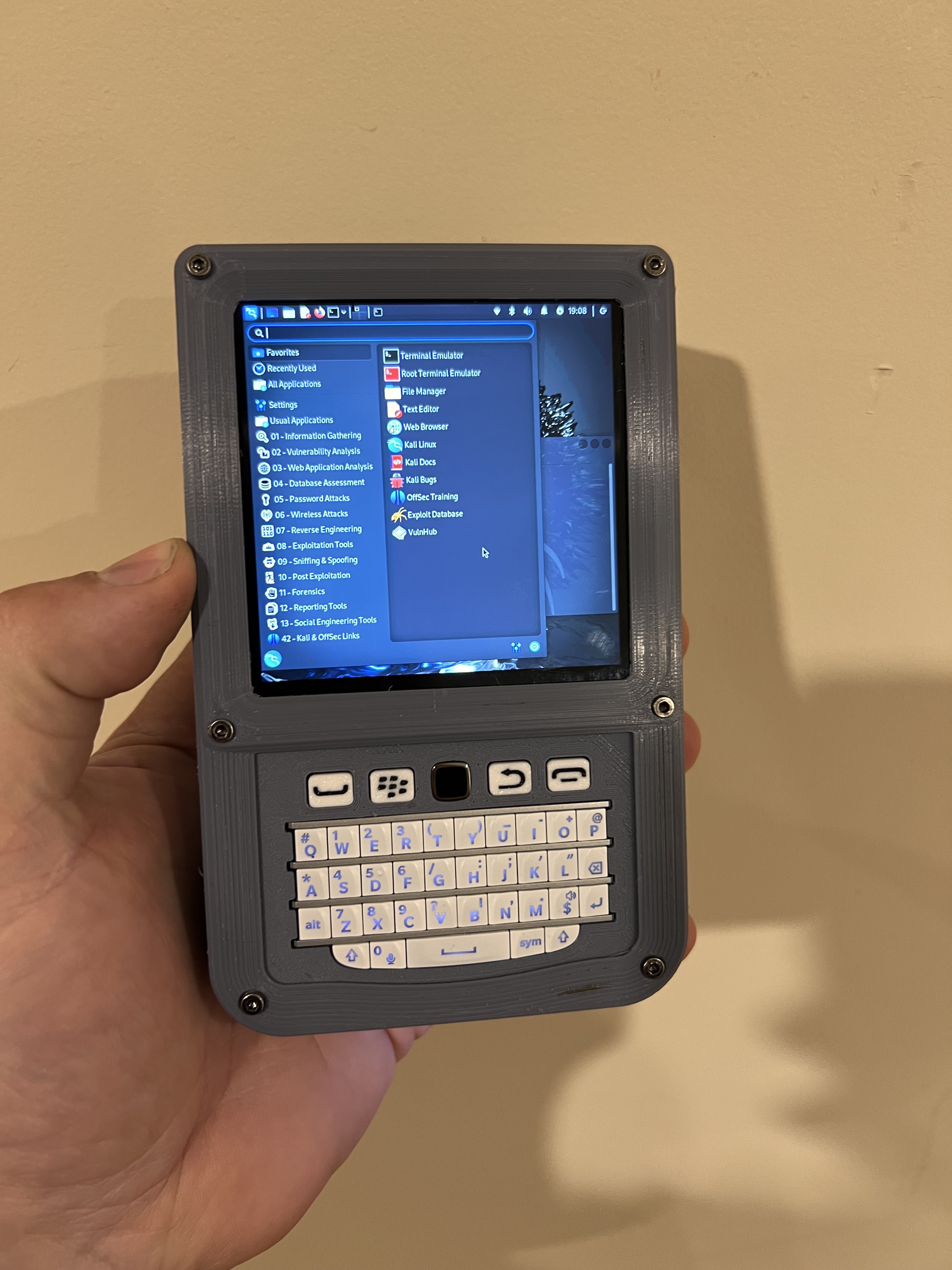


If you like NixOS for its packages, you can install a Systemd free OS, and then add Nix package manager. For example Nix-bin is packaged for Debian and the Systemd free Devuan : https://pkginfo.devuan.org/cgi-bin/policy-query.html?c=package&q=nix-bin&x=submit Here is a very old howto for Void Linux, but maybe still works : https://voidlinux.org/news/2014/01/Using-the-Nix-package-manager.html
I’ve used Gajim last week for testing and installing it with Flatpak was easy. And I think I remember that for OMEMO no extra plugins were needed with Gajim.